
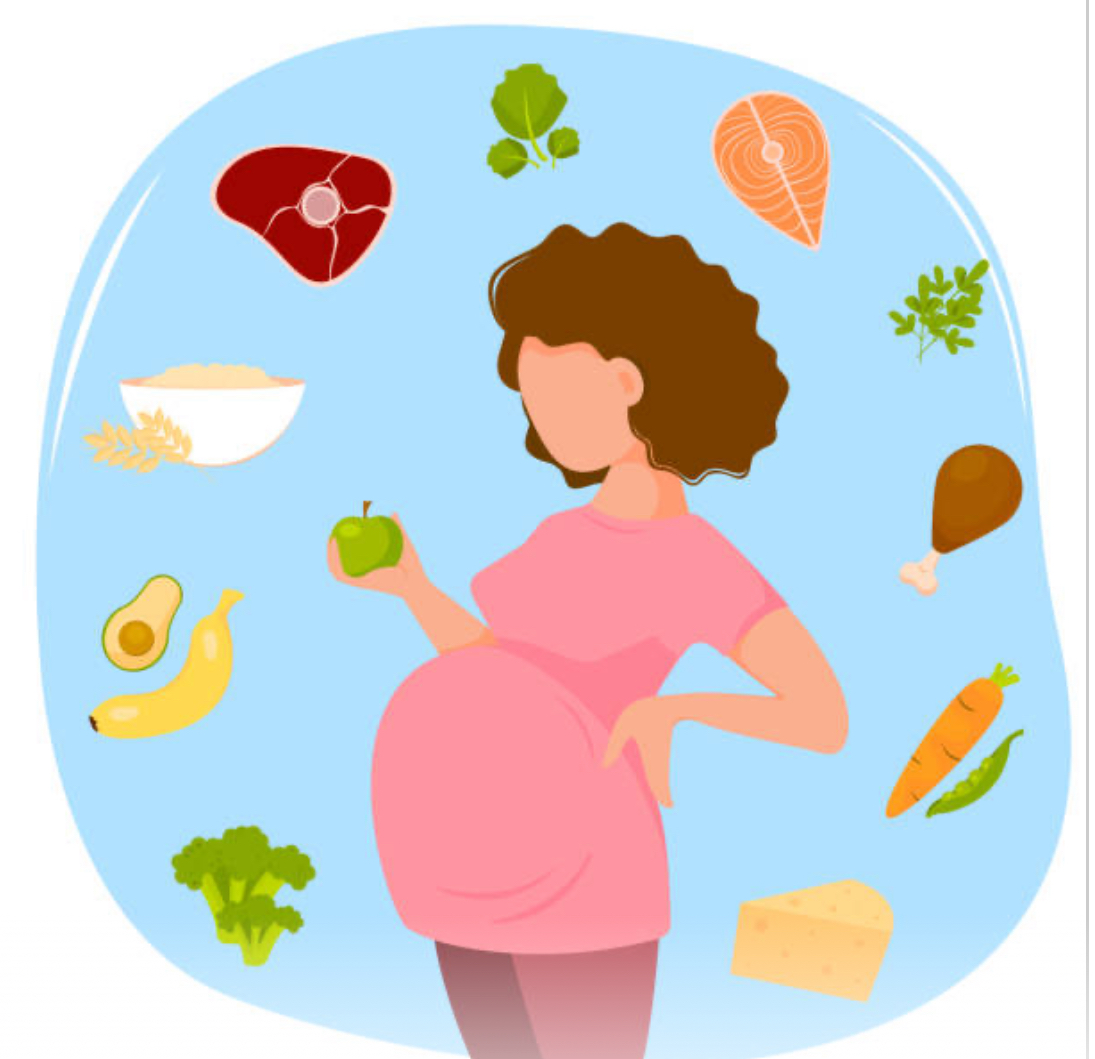

Eating well during early pregnancy is crucial for the baby’s development and the mother’s well-being. While the basic principles of healthy eating remain the same—plenty of fruits, vegetables, whole grains, lean proteins, and healthy fats—certain nutrients are particularly important during this stage.
1. Folate and Folic Acid – Preventing Neural Tube Defects
Folate (the natural form) and folic acid (the synthetic form in supplements and fortified foods) are B vitamins that help prevent neural tube defects, serious birth conditions affecting the brain and spinal cord. These defects occur in the first few weeks of pregnancy, often before a woman knows she is pregnant, making early intake essential.
Good sources of folate and folic acid:
• Leafy greens (spinach, kale)
• Legumes (lentils, chickpeas, black beans)
• Citrus fruits (oranges, lemons)
• Fortified grains and cereals
2. Iron – Supporting Oxygen Transport
Iron is essential for making hemoglobin, the protein in red blood cells that carries oxygen. During pregnancy, blood volume increases significantly, making iron even more important to prevent anemia, which can cause fatigue and increase the risk of complications.
Good sources of iron:
• Lean red meat, poultry, and fish
• Dark leafy greens (spinach, Swiss chard)
• Legumes and tofu
• Fortified cereals
• Vitamin C-rich foods (like oranges and bell peppers) help improve iron absorption.
3. Calcium – Building Strong Bones and Teeth
Calcium supports the baby’s developing bones, teeth, heart, muscles, and nerves. If a mother doesn’t get enough calcium, her body will take it from her bones, increasing her risk of osteoporosis later in life.
Good sources of calcium:
• Dairy products (milk, yogurt, cheese)
• Leafy greens (kale, bok choy)
• Fortified plant-based milk (almond, soy)
• Tofu and canned fish with bones (sardines, salmon)
4. Protein – Essential for Growth and Development
Protein plays a key role in cell development, muscle formation, and the production of important enzymes and hormones. A sufficient intake supports both maternal and fetal health.
Good sources of protein:
• Lean meats, poultry, and fish
• Eggs
• Legumes (lentils, beans)
• Nuts, seeds, and dairy products
5. DHA (Omega-3 Fatty Acids) – Supporting Brain and Eye Development
DHA, a type of omega-3 fatty acid, is vital for fetal brain and eye development. It also supports maternal heart health and reduces inflammation.
Good sources of DHA:
• Fatty fish (salmon, sardines, mackerel)
• Chia seeds and flaxseeds
• Walnuts
• Algal oil (a plant-based DHA supplement)
6. Vitamin D – Enhancing Calcium Absorption
Vitamin D helps the body absorb calcium and plays a crucial role in immune function and bone health. Many people have low vitamin D levels, making supplementation or sun exposure important.
Good sources of vitamin D:
• Fortified dairy and plant-based milk
• Fatty fish (salmon, tuna)
• Egg yolks
• Sunlight exposure (about 10-30 minutes a few times a week)
7. Iodine – Supporting Brain Development
Iodine is necessary for thyroid hormone production, which regulates metabolism and is critical for fetal brain development. Deficiency can lead to intellectual disabilities in the baby.
Good sources of iodine:
• Dairy products
• Iodized salt
• Seafood (shrimp, cod)
• Eggs
What to Limit or Avoid
While eating a balanced diet is essential, some foods should be avoided or limited during early pregnancy:
• High-mercury fish (shark, swordfish, king mackerel)
• Raw or undercooked seafood, eggs, and meat (to prevent infections like listeria or toxoplasmosis)
• Unpasteurized dairy and soft cheeses (to reduce the risk of bacterial infections)
• Caffeine (limit to 200 mg per day, about one 12-ounce cup of coffee)
• Alcohol (no safe amount during pregnancy)
Conclusion
Early pregnancy is a critical time for fetal development, and proper nutrition lays the foundation for a healthy pregnancy. Eating a well-balanced diet rich in essential nutrients can help prevent birth defects, support maternal health, and ensure optimal growth for the baby. Consulting a healthcare provider or registered dietitian can also provide personalized guidance based on individual needs.
Maternal nutrition during pregnancy plays a crucial role in the growth and health of the offspring and is increasingly recognized for its influence on brain development.
Research indicates that a mother’s nutritional status during pregnancy affects both the structure and function of the developing brain, potentially shaping children’s long-term neuropsychological, cognitive, and behavioral outcomes.
Brain development begins as early as the third week of gestation and continues into young adulthood, guided by a complex interplay between gene expression and environmental factors.
References:
1. Mayo Clinic. (n.d.). Folate (vitamin B-9). Retrieved from https://www.mayoclinic.org/drugs-supplements-folate/art-20364625
2. Na, X., Mackean, P. P., Cape, G. A., Johnson, J. W., & Ou, X. (2024). Maternal nutrition during pregnancy and offspring brain development: Insights from neuroimaging. Nutrients, 16(19), 3337. https://doi.org/10.3390/nu16193337
3. Mayo Clinic. (n.d.). Pregnancy nutrition: Foods to eat and avoid. Retrieved from [website link]
4. Johns Hopkins Medicine. (n.d.). Nutrition during pregnancy. Retrieved from [website link]
5. Yisahak, S. F., Mumford, S. L., Grewal, J., et al. (2021). Maternal diet patterns during early pregnancy in relation to neonatal outcomes. The American Journal of Clinical Nutrition, 114(1), 358-367. https://doi.org/10.1093/ajcn/nqab019