
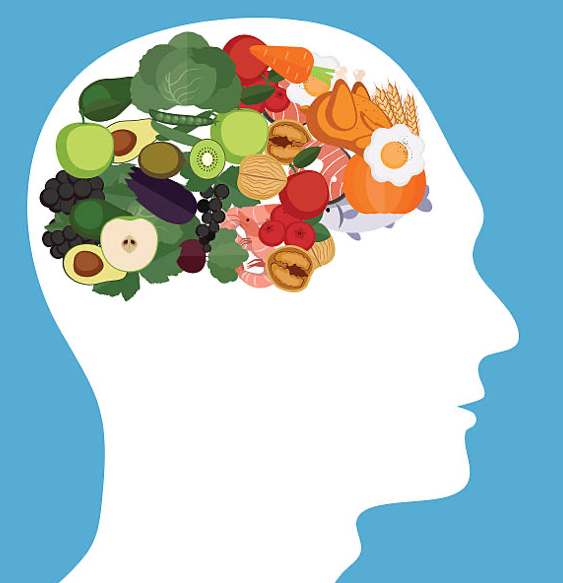

Nourishing the Mind: The Impact of Dietary Patterns on Neurodegenerative Diseases
Neurodegenerative diseases, including dementia, Alzheimer’s disease, and Huntington’s disease, represent a significant global health challenge, affecting millions and imposing substantial social and economic burdens. Emerging research underscores the pivotal role of diet in influencing the onset and progression of these conditions. This article delves into the associations between various dietary patterns and the risk of neurodegenerative diseases, highlighting evidence-based strategies for cognitive health preservation.
Understanding Neurodegenerative Diseases
Neurodegenerative diseases are characterized by the progressive degeneration of neurons, leading to cognitive and motor impairments. Dementia serves as an umbrella term for conditions marked by memory loss and cognitive decline, with Alzheimer’s disease (AD) being the most prevalent form. Huntington’s disease (HD), although less common, is a hereditary disorder causing the breakdown of nerve cells in the brain. While genetic factors play a role, lifestyle choices, particularly diet, have emerged as modifiable risk factors influencing these diseases’ trajectories.
Dietary Patterns and Cognitive Health
Several dietary patterns have been studied for their potential neuroprotective effects:
• Mediterranean Diet (MD): Characterized by high consumption of fruits, vegetables, whole grains, legumes, nuts, and olive oil, along with moderate intake of fish and poultry, the MD has been associated with a reduced risk of cognitive decline and AD. A systematic review highlighted that adherence to the MD correlates with improved cognitive function and a lower incidence of AD.
• Dietary Approaches to Stop Hypertension (DASH): Emphasizing fruits, vegetables, whole grains, and low-fat dairy products while limiting saturated fats and sugars, the DASH diet has been linked to better cognitive function and a reduced risk of dementia.
• Mediterranean-DASH Intervention for Neurodegenerative Delay (MIND) Diet: Combining elements of the MD and DASH diets, the MIND diet focuses on foods that support brain health, such as green leafy vegetables and berries. Studies have shown that adherence to the MIND diet is associated with a slower rate of cognitive decline and may reduce the risk of AD.
Nutrients and Cognitive Function
Specific nutrients within these dietary patterns contribute to their neuroprotective effects:
• Omega-3 Fatty Acids: Found in fatty fish like salmon and mackerel, omega-3 fatty acids have anti-inflammatory properties and are essential for brain health. Regular consumption has been linked to a reduced risk of cognitive decline.
• Antioxidants: Vitamins E and C, as well as polyphenols found in fruits and vegetables, combat oxidative stress implicated in neurodegenerative diseases. Diets rich in antioxidants are associated with better cognitive function.
• B Vitamins: Vitamins B6, B12, and folic acid play a role in reducing homocysteine levels, a risk factor for cognitive decline. Adequate intake of these vitamins may help maintain cognitive health.
Dietary Interventions and Huntington’s Disease
While research on the impact of diet on HD is less extensive, some studies suggest that certain dietary interventions may influence disease progression:
• Caloric Restriction: Animal studies have indicated that caloric restriction may delay the onset and progression of HD by enhancing neuroprotective mechanisms.
• Ketogenic Diet: High in fats and low in carbohydrates, the ketogenic diet has shown potential in improving mitochondrial function and reducing oxidative stress in neurodegenerative diseases, including HD.
Practical Dietary Recommendations
Implementing certain dietary practices can support cognitive health:
• Increase Intake of Fruits and Vegetables: Aim for at least five servings daily to ensure adequate antioxidant consumption.
• Choose Whole Grains: Opt for whole-grain products over refined grains to enhance fiber and nutrient intake.
• Incorporate Fatty Fish: Consume fish rich in omega-3 fatty acids, such as salmon or mackerel, at least twice a week.
• Use Healthy Fats: Utilize olive oil as the primary cooking fat to benefit from monounsaturated fats.
• Limit Saturated Fats and Sugars: Reduce consumption of red meats, processed foods, and sugary beverages to lower inflammation and oxidative stress.
Conclusion
Diet plays a significant role in the risk and progression of neurodegenerative disorders. Adopting dietary patterns rich in fruits, vegetables, whole grains, and healthy fats, such as the MD, DASH, or MIND diets, may offer protective benefits against cognitive decline. Additionally, specific nutrients like omega-3 fatty acids, antioxidants, and B vitamins are crucial for maintaining brain health. While more research is needed, especially concerning HD, current evidence supports the importance of a balanced diet in promoting cognitive function and potentially mitigating neurodegenerative diseases.
References
Samadi, M., Moradi, S., Moradinazar, M., Mostafai, R., & Pasdar, Y. (2019). Dietary pattern in relation to the risk of Alzheimer’s disease: A systematic review. Neurological Sciences, 40(10), 2031-2043.
Scarmeas, N., Stern, Y., Tang, M. X., Mayeux, R., & Luchsinger, J. A. (2006). Mediterranean diet and risk for Alzheimer’s disease. Annals of Neurology, 59(6), 912-921.
Morris, M. C., Tangney, C. C., Wang, Y., Sacks, F. M., Barnes, L. L., & Bennett, D. A. (2015). MIND diet associated with reduced incidence of Alzheimer’s disease.