
Introduction
Artificial sweeteners are commonly used in foods and beverages. However, the safety for children is a growing concern. Recent studies suggest a possible link between artificially sweetened drinks and chronic kidney disease (CKD)
Artificial Sweeteners and Kidney Health: What the Research Says
1. The Link Between Artificial Sweeteners and CKD
A systematic review and meta-analysis by Lo et al. (2021) examined the effects of sugar- and artificially sweetened beverages on CKD risk. Their findings indicated that both types of beverages could contribute to the progression of kidney disease, with frequent consumption linked to a higher risk of CKD. The study suggested that artificial sweeteners might influence kidney function through metabolic and vascular effects, though more research is needed to determine the exact mechanisms.
Similarly, Cheungpasitporn et al. (2014) conducted a meta-analysis that found an association between soda consumption (both sugar-sweetened and artificially sweetened) and CKD. Their study emphasized that high intake of artificially sweetened beverages could be linked to reduced kidney function, though the relationship was not yet fully understood.
2. How Artificial Sweeteners May Affect Kidney Function
While artificial sweeteners are marketed as healthier alternatives to sugar, their long-term effects on kidney function remain unclear. Potential concerns include:
• Metabolic Effects: Some studies suggest that artificial sweeteners may alter glucose metabolism and insulin sensitivity, which could indirectly affect kidney health.
• Altered Gut Microbiota: Changes in gut bacteria due to artificial sweetener consumption may contribute to inflammation and metabolic imbalances that could impact kidney function.
• Increased Proteinuria and Glomerular Damage: Although not conclusively proven, some research suggests that chronic consumption of artificial sweeteners may contribute to protein leakage in urine, a marker of kidney damage.
Artificial Sweeteners and Children on Dialysis
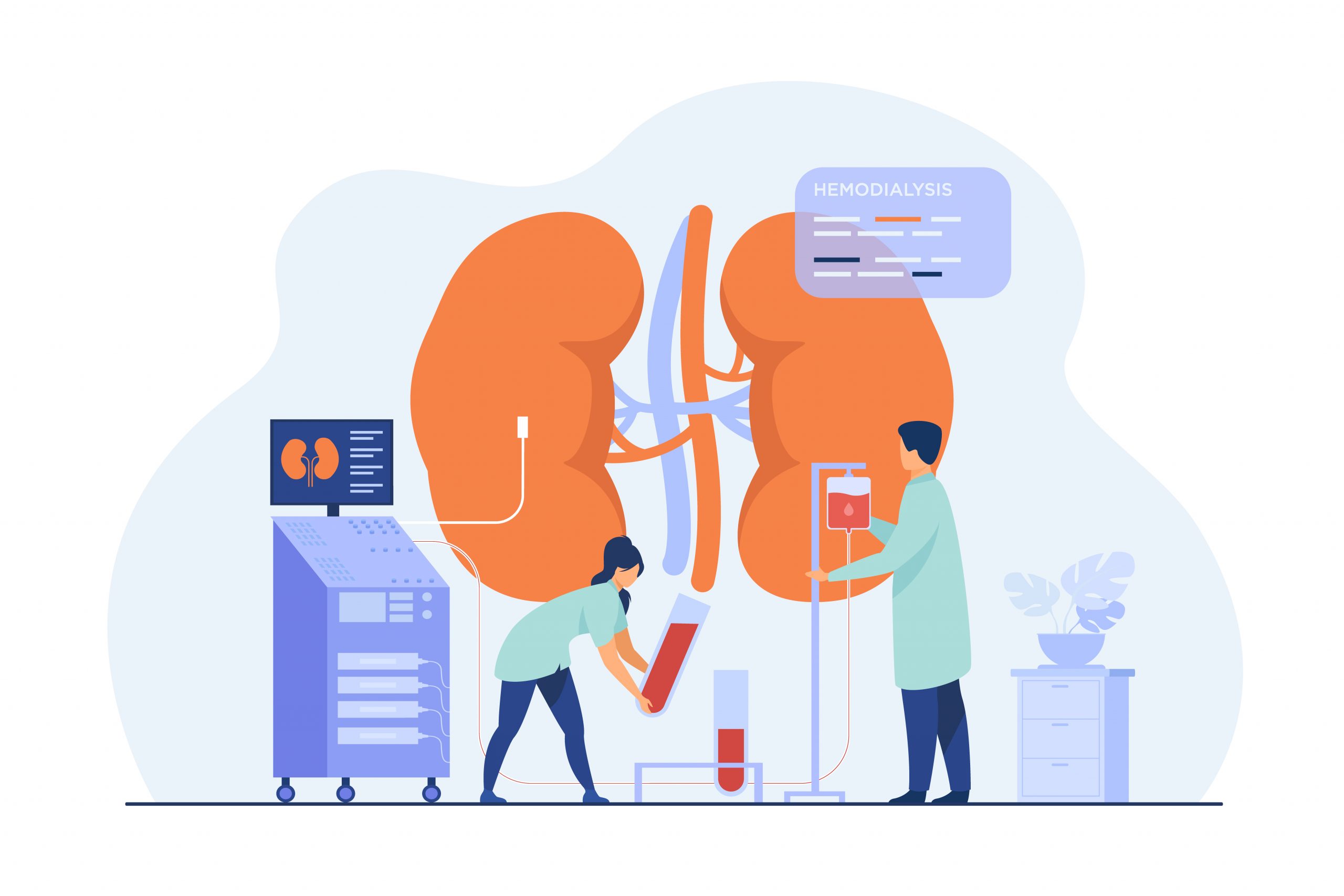
Children undergoing dialysis require strict dietary management to control fluid balance, electrolyte levels, and overall kidney function. Artificial sweeteners, often found in sugar-free drinks and processed foods, pose potential risks due to:
• Electrolyte Imbalance: Many sugar-free drinks contain phosphorus additives or sodium, which can be harmful to children with kidney disease.
• Fluid Overload: Sugar-free beverages may still contribute to excessive fluid intake, a critical concern for dialysis patients.
• Potential Long-Term Effects: While short-term consumption of artificial sweeteners may not immediately harm kidney function, prolonged use could contribute to metabolic changes that worsen kidney disease over time.
Are Artificial Sweeteners Safe for Children?
According to the Academy of Nutrition and Dietetics, artificial sweeteners are considered safe in moderation for healthy children. However, for children with kidney disease, individualized dietary guidance is essential. Some artificial sweeteners, such as aspartame, saccharin, and sucralose, may be better tolerated than others, but their overall impact on kidney function remains uncertain.
Conclusion
While artificial sweeteners may seem like a healthier alternative to sugar, emerging research suggests potential risks for children with CKD, especially those on dialysis. Parents and caregivers should be cautious with artificially sweetened beverages and consult a pediatric nephrologist or renal dietitian for appropriate dietary choices. Prioritizing natural, whole foods with minimal additives is the best approach to supporting kidney health in children undergoing dialysis.
References
1. Lo WC, Ou SH, Chou CL, Chen JS, Wu MY, Wu MS. Sugar- and artificially-sweetened beverages and the risks of chronic kidney disease: a systematic review and dose-response meta-analysis. J Nephrol. 2021 Dec;34(6):1791-1804. doi: 10.1007/s40620-020-00957-0.
2. Cheungpasitporn W, Thongprayoon C, O’Corragain OA, Edmonds PJ, Kittanamongkolchai W, Erickson SB. Associations of sugar-sweetened and artificially sweetened soda with chronic kidney disease: a systematic review and meta-analysis. Nephrology (Carlton). 2014 Dec;19(12):791-7. doi: 10.1111/nep.12343.
3. Academy of Nutrition and Dietetics. Are Artificial Sweeteners Safe for Kids?